How to Apply for Montenegro Visa from Nigeria (Step-by-Step Guide)
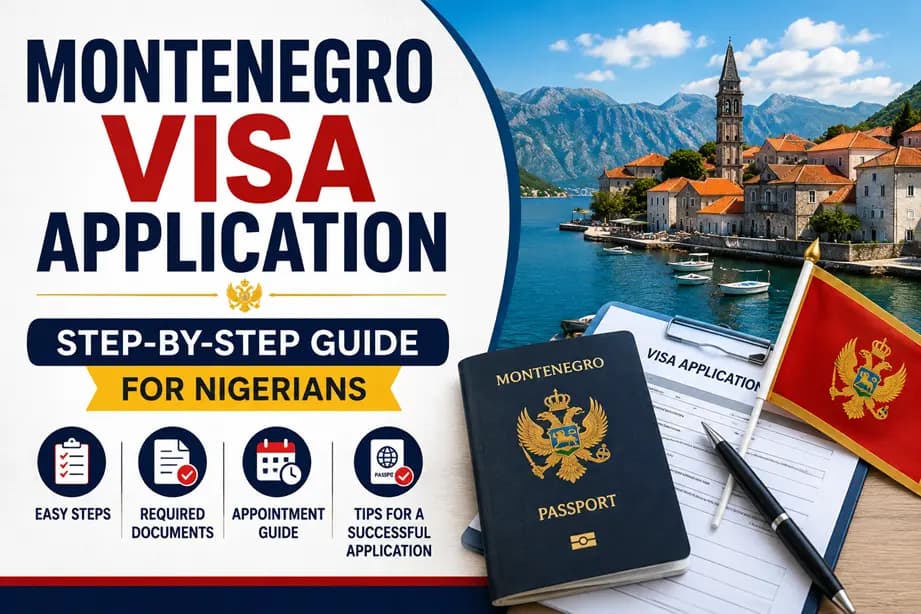
Applying for a visa can seem complicated at first, especially if you have never traveled to Montenegro before. However, knowing the Montenegro visa application from Nigeria process before you begin can help you prepare the right documents, avoid common mistakes, and submit a well-organized application. This guide walks you through each stage of the application process, from choosing the correct visa category to waiting for a decision. If you have not gathered your documents yet, you should first read our guide on Montenegro visa requirements for Nigerians before proceeding.
Step 1: Determine the Purpose of Your Visit
The first step in the Montenegro visa application from Nigeria process is determining the purpose of your trip. Your reason for traveling determines the type of visa you should apply for. Common reasons include tourism, business meetings, conferences, family visits, and other short-term stays. Whichever category you choose, your supporting documents should clearly match your stated purpose of travel. For example, a tourism application should include documents that support a holiday itinerary rather than business activities.
Step 2: Gather the Required Documents
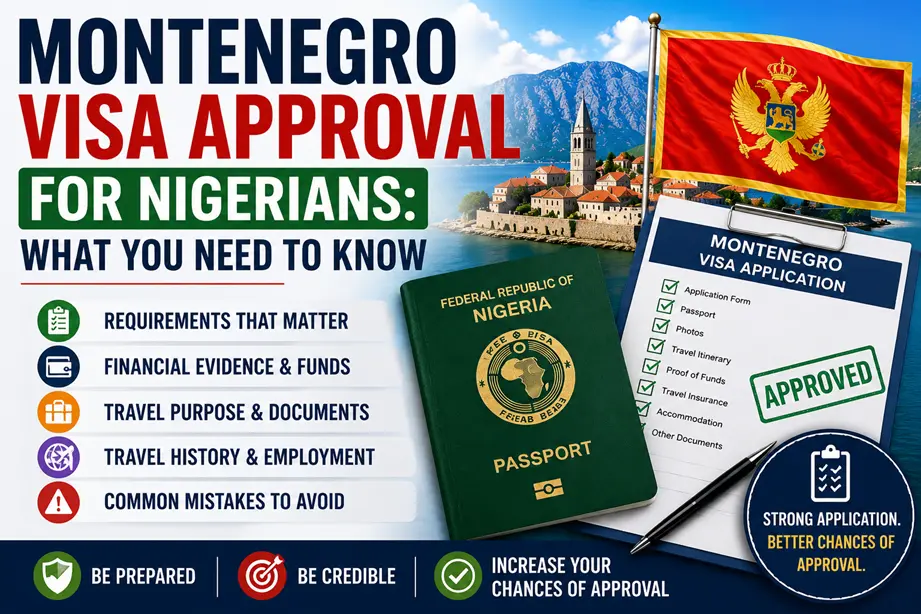
Before booking your appointment, ensure all your supporting documents are ready. The documents commonly required include a valid international passport, a completed visa application form, recent passport photographs, a flight itinerary, proof of accommodation, financial documents, employment or business documents, and travel insurance where required. Preparing these documents early gives you enough time to correct any issues before submission.
Step 3: Complete the Visa Application Form
Complete every section of the visa application form carefully and accurately. Simple mistakes such as incorrect passport numbers, inconsistent travel dates, or missing information can create unnecessary delays. Therefore, review every section before submitting the form to ensure it matches the information in your passport and supporting documents.
Step 4: Book Your Appointment
Nigeria does not have a resident Montenegrin embassy, so applicants who cannot reach a Montenegrin diplomatic or consular post may apply through the Embassy of the Republic of Serbia in Abuja, which handles Montenegro visa applications under the relevant arrangement. Appointment procedures may change from time to time, so confirm the latest process with the embassy before making any travel arrangements.
Step 5: Attend Your Appointment
On the day of your appointment, arrive with all your required documents properly organized. Presenting your documents neatly makes the review process easier and demonstrates that you prepared your application carefully. Depending on your circumstances, you may also be asked a few questions about your trip. Answer honestly and ensure your responses are consistent with the information in your application.
Step 6: Pay the Visa Fee
Before your application can be processed, you must pay the applicable visa fee. The payment procedure depends on the diplomatic mission handling your application. If you are unsure of the current amount, read our guide on Montenegro visa fee in Nigeria for an overview of the expected costs.
Step 7: Wait for Processing
Once you have completed your visa application, the next stage is processing. During this period, the embassy reviews your documents and determines whether additional information is required. Avoid making non-refundable travel arrangements until a decision has been made. If you would like to know how long this stage usually takes, our guide on Montenegro visa processing time in Nigeria explains what applicants can generally expect.
Common Mistakes to Avoid
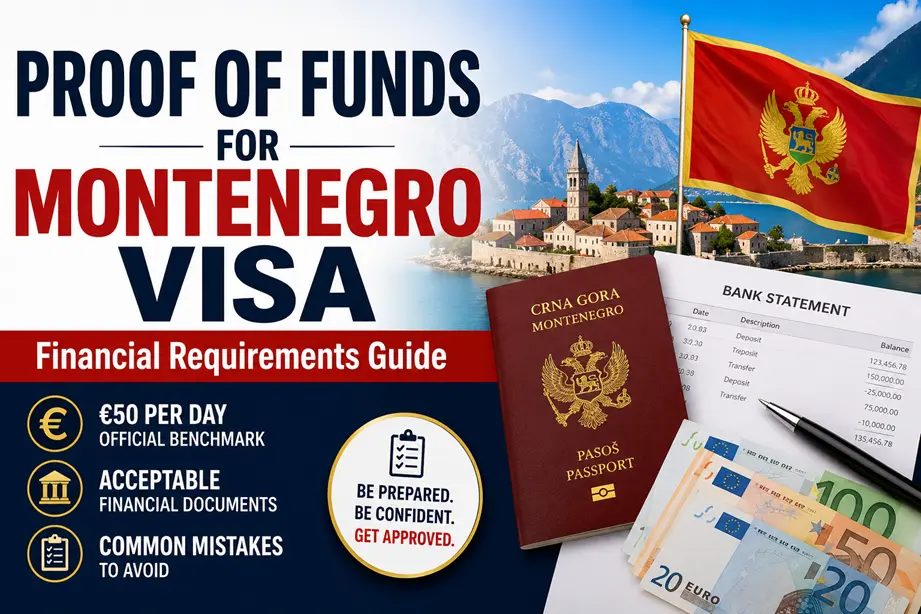
Many visa applications experience delays because applicants overlook small but important details. Common mistakes include submitting incomplete documentation, providing conflicting information, presenting weak financial evidence, booking appointments before preparing all the required documents, and rushing through the application form. Reviewing your application carefully before submission can help you avoid these common mistakes.
Practical Tips Before You Apply
A successful Montenegro visa application from Nigeria usually begins long before your appointment. Start gathering your documents several weeks in advance rather than waiting until the last minute. This gives you enough time to correct or renew any document that requires attention. It is also helpful to keep both the original documents and photocopies where required, as this can make the submission process much smoother. Most importantly, ensure every document supports the same story. Your itinerary, employment records, accommodation details, and financial documents should all match your stated reason for traveling.
Frequently Asked Questions
Where do Nigerians submit Montenegro visa applications?
Nigerian applicants can submit their applications through the Embassy of the Republic of Serbia in Abuja.
Can I apply online?
Application procedures may vary depending on the embassy handling your application. Always confirm the latest process before applying.
Do I need confirmed flight tickets?
Applicants are usually expected to provide evidence of their intended travel plans, although requirements may vary depending on the application.
Can someone else submit my application?
This depends on the procedures of the embassy or visa center handling your application.
What happens after I submit my application?
Your documents will be reviewed, and once a decision has been made, you will be informed according to the embassy's procedures.
Conclusion
The Montenegro visa application from Nigeria becomes much easier when you approach it step by step. Rather than treating it as a last-minute task, give yourself enough time to prepare your documents, review your information carefully, and understand the application process. A well-organized application reduces unnecessary stress and helps present your case clearly, making it easier for the visa officer to assess your application.